


In Sanskrit, the word for sandalwood, candana, is linked to the concept of generosity (dāna). Revered for its fragrance, durability, and spiritual significance, sandalwood is a cornerstone of Buddhist tradition and a favorite among collectors. With so many varieties available, choosing the right sandalwood bracelet can be confusing. Which type is the most valuable? Which is the most fragrant?
This guide explores the top 10 types of sandalwood bracelets, from the “King of Woods” to wonderfully fragrant and affordable options. Whether you are a seasoned collector or a newcomer, you’ll find the perfect wood to match your style and spiritual practice.
Table of Contents
1. Red Sandalwood (Small Leaf Zitan)
👑 Nickname: “The King of Woods”
Red Sandalwood, or Pterocarpus santalinus, is the most prized and expensive of all sandalwood varieties. Historically reserved for Chinese royalty, it was known as the “Wood of Emperors.”
- Characteristics: It features an extremely dense, hard texture with fine, intricate grain patterns. The color ranges from a deep, purplish-black to a rich red-brown. True Red Sandalwood has a very faint, subtle scent.
- Why It’s Special: It takes over 800 years for a Red Sandalwood tree to mature, making it incredibly rare. In traditional Chinese medicine, it’s believed to calm the mind, reduce inflammation, and improve sleep.
- Value: This is the most expensive type of sandalwood bracelet due to its extreme rarity and historical significance.
2. Laoshan Sandalwood (Indian Sandalwood)
👑 Nickname: “The King of Fragrance”
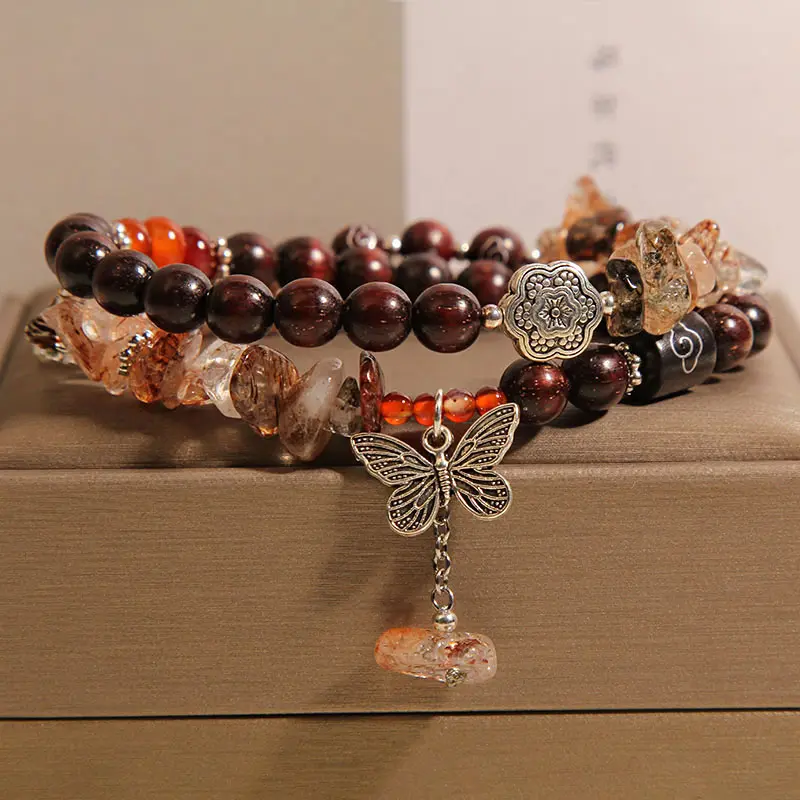
When discussing the most fragrant sandalwood, Laoshan Sandalwood (Santalum album) is the undisputed winner. It is one of the four famous natural fragrances in the world (“Chen, Tan, Long, She”).
- Characteristics: Known for its rich, sweet, and creamy woody aroma that lasts for decades. The scent is often described as a “natural solid perfume.”
- Why It’s Special: Laoshan Sandalwood is the traditional scent used in spiritual ceremonies and meditation for its calming and grounding properties. For more on its therapeutic uses, spiritual wellness sites like MindBodyGreen often detail its benefits.
- Value: High-quality, old-stock Laoshan Sandalwood is very valuable, second only to Red Sandalwood.
3. Golden Silk Sandalwood (Nato Wood)
👑 Nickname: “The Naturally Golden Gem”
Golden Silk Sandalwood is known scientifically as Nato wood (Palaquium). It is famous for its high density, high oil content, and distinctive golden lines running through the grain.
- Characteristics: The wood has a smooth texture and a beautiful luster, with golden “silk” threads that seem to shine from within.
- Why It’s Special: It offers a luxurious look without the high price tag of more rare woods, making it an excellent choice for daily wear.
- Value: It is relatively common and affordable, providing great visual appeal for its price.
4. African Blackwood (Purple Sandalwood)
👑 Nickname: “The Polished Mirror”
African Blackwood (Dalbergia melanoxylon), also known as Purple Sandalwood or Ziguang Tan, is an exceptionally dense and durable wood.
- Characteristics: When polished, its surface becomes incredibly smooth and reflective, like a mirror or fine satin. The grain is extremely fine, and the color is a deep, dark purple-black. You can find more details about this species on its Wikipedia page.
- Why It’s Special: Its unique, cool-to-the-touch feel is often compared to rhinoceros horn. In the past, it was sometimes used as a convincing substitute for Red Sandalwood.
- Value: Moderately priced. Its main limitation is that the trees are often small or hollow, making large pieces rare.
5. Tiger Skin Sandalwood
👑 Nickname: “The Affordable Exotic”
Tiger Skin Sandalwood is named for its dramatic, tiger-stripe-like grain pattern. It is sometimes deceptively marketed as Hua Qi Nan, implying a connection to agarwood, but it is not related.
- Characteristics: Features a very distinct and beautiful striped pattern. Its grain is regular and pronounced, unlike the more chaotic patterns of true agarwood varieties.
- Why It’s Special: It offers a bold and exotic look at a very accessible price point. A great statement piece.
- Value: Generally very affordable, though high-quality pieces with exceptional patterns can be more expensive.
6. Ebony (Black Sandalwood)
👑 Nickname: “The Protector’s Wood”
Ebony (Diospyros species) has long been associated with spiritual protection in Buddhism. Its dense, hard nature is believed to ward off evil and negativity.
- Characteristics: It is a hard, heavy, and fine-textured wood with a deep black color, sometimes streaked with lighter bands. It is highly resistant to decay.
- Why It’s Special: A classic and powerful wood, it has been cherished by nobility and spiritual practitioners for centuries. Finding authentic pieces is key, and at Buddha Bodhis, we ensure our ebony is sustainably sourced.
- Value: Affordable and readily available, making it a popular choice for larger beads.
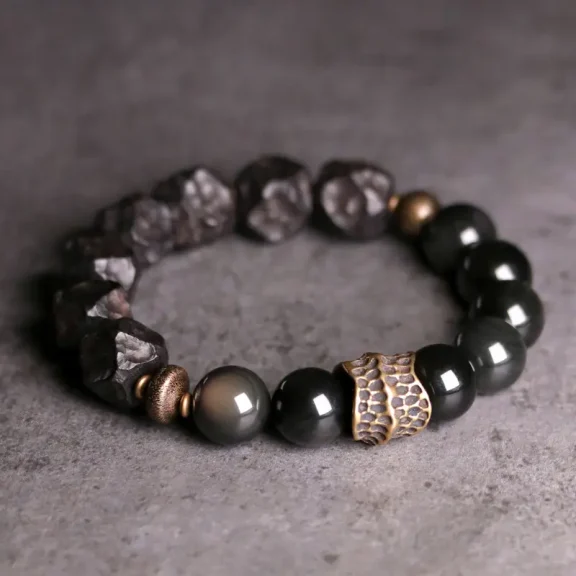
7. Golden Sandalwood
👑 Nickname: “The Eye of the Cat”
Sourced from Southern Mexico, Golden Sandalwood is prized for its fine texture, lustrous finish, and unique grain that often resembles a cat’s eye effect (chatoyancy).
- Characteristics: The color is a brownish-yellow to dark brown with black stripes. The grain is often interlocked, creating beautiful patterns that have a waxy, glowing appearance.
- Why It’s Special: Its stunning visual effect makes it a favorite material for luxury car interiors, high-end furniture, and decorative items.
- Value: A popular and moderately priced option for sandalwood bracelets.
8. African Bloodwood
👑 Nickname: “The Zitan Lookalike”
African Bloodwood (Pterocarpus species) is one of the closest woods in appearance and density to the prized Red Sandalwood (Zitan).
- Characteristics: It shares a similar deep red color, density, and grain pattern with Zitan. Some pieces even exhibit golden flecks (Jinxing).
- Why It’s Special: It provides the aesthetic of the “King of Woods” at a fraction of the cost. However, its biggest difference is the scent—Bloodwood lacks the subtle fragrance of true Zitan.
- Value: Very affordable and an excellent alternative for those who love the look of Red Sandalwood.
9. Green Sandalwood (Verawood)
👑 Nickname: “The Chameleon Wood”
For a high-value-for-money option, Green Sandalwood (Bulnesia sarmientoi) is an excellent choice. It has beautiful feathered grain patterns and a rich, pleasant fragrance.
- Characteristics: The wood has a unique ability to change color from brown to a deep olive green when exposed to light over time. It has a lasting natural fragrance similar to plums.
- Why It’s Special: The color-changing property makes it fascinating to watch over time. Its refreshing scent is believed to calm the mind and reduce stress.
- Value: Highly affordable, offering both a wonderful fragrance and dynamic visual appeal.
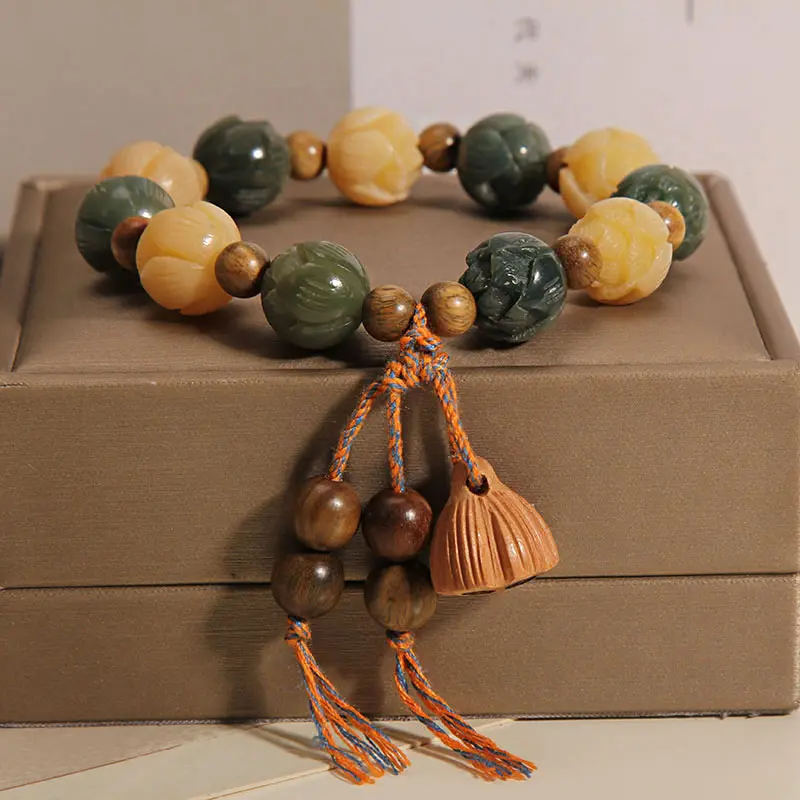
10. Red Tan Wood
👑 Nickname: “The Rising Star”
Red Tan Wood refers to a category of dense, red-colored tropical hardwoods. With the scarcity of woods like Rosewood and Zitan, Red Tan is becoming a popular and sustainable alternative.
- Characteristics: It is a very hard, dense wood with an attractive reddish color and a natural luster. It has a faint, pleasant woody fragrance.
- Why It’s Special: Its durability and beautiful grain make it suitable for high-end furniture, musical instruments, and of course, sandalwood bracelets. It offers qualities that surpass many traditional redwood species.
- Value: Moderately priced, with strong potential for future appreciation.
Conclusion
From the regal and rare Red Sandalwood to the fragrant and dynamic Green Sandalwood, there is a perfect wooden bracelet for every preference and budget. Each type carries its own unique energy, history, and beauty.
When choosing your piece, consider what matters most to you—fragrance, rarity, appearance, or affordability. For a curated collection of authentic, high-quality sandalwood bracelets crafted with intention, explore the offerings at Buddha Bodhis.
Frequently Asked Questions (FAQ)
1. Which sandalwood is best for fragrance?
Laoshan Sandalwood (Indian Sandalwood) is universally considered the most fragrant, with a rich, creamy scent that can last for decades.
2. What is the most valuable type of sandalwood bracelet?
Red Sandalwood (Pterocarpus santalinus), also known as Zitan, is the rarest and most valuable due to its slow growth and historical significance.
3. How can you tell real Red Sandalwood (Zitan) from fakes like Bloodwood?
The most reliable test is the scent. True Zitan has a very faint, pleasant fragrance, while Bloodwood has little to no scent. Zitan also develops a richer, deeper patina over time.
4. Is Green Sandalwood a true sandalwood?
No, botanically it is not from the Santalum genus. It is called Green Sandalwood due to its color and distinct fragrance, but it belongs to the Bulnesia genus.
5. How do I care for my sandalwood bracelet?
Avoid exposing it to water or harsh chemicals. Store it in a cloth bag when not in use. You can periodically wipe it with a soft, dry cloth to maintain its luster. The natural oils from your skin will help polish it over time.
6. Why are sandalwood bracelets used in Buddhism?
Sandalwood is believed to have calming properties that help focus the mind during meditation. The beads (mala) are used to count mantras, and the scent is a reminder of mindfulness and compassion.
7. Which type of sandalwood bracelet is best for a beginner?
Green Sandalwood and Golden Silk Sandalwood are excellent choices for beginners. They are both beautiful, durable, and very affordable.